


نمایشگاه اوت آو کانتکست
مدیا :نقاشی
اوت آو کانتکست
مسئلهی این مجموعه سیاست است. اما نه سیاست رهاییبخش، بلکه از سیاست قدرت میگوید. این مجموعه با نگاهی مطلقا انتقادی سعی در رویارویی با آن بخش از سیاست را دارد که سراسر هستی انسانی را هدف گرفته. و مجدانه سعی در نابودی انسانیت دارد. گویی با واقعیت یکهای طرفیم که تمامی مسیرها را در جهت جهانیسازی اقتصادی و به طبع آن جهانیسازی هنری و ... بر میگرداند. واضح است که در یک مجموعه به تمامی ابعاد آن نمیتوان پرداخت. بدین ترتیب این مجموعه تمرکز خود را بر نحوه استعمار سوژه توسط سیاست قدرت نهاده. و از آنجایی میگوید که سیاست قدرت با زیرکی و در ظاهری کاملا شیک ! اعمال خشونت میکند، سوژهها را از جوهر خود خالی میکند، هویتها را تغییر میدهد، مدام در حال حمله به وحدت ارگانیک مقولات است، از همه چیز مراقبت میکند و مکررا چیزهایی را به جای حقیقت مینشاند، تبلیغشان میکند و در نهایت چنان رسمیتی به آنها میبخشد که هر گونه نگاه انتقادی به آنها به سرعت متهم به ارتجاع و عقبگرد میشود. مکانیزم پیچیدهای که بودنش را وامدار ایجاد بحران است ...
نگارههای ایرانی تصاویری در ابعاد بسیار کوچکاند، که عموم آنها با ترکیببندیهایی بسیار شلوغ وحدت بینظیری از تجربه تصویری را برای مخاطب به ارمغان میآورند. عموما روایتگر داستانی هستند خارج از خود ، یعنی وابسته به متنی دیگرند، بینهایت لطیف و شاعرانهاند ،حتی آنجا که خشنترین صحنهها را روایت میکنند، بسته به دورههای مختلف مشخصات سبکشناختی خاص خود را دارند. عناصر عموما کمالیافته اند، تاکید بر جزئیات ویژگی آنهاست، پرسپکتیو خود را دارند و.... درباره نگارههای ایرانی میتوان ساعتها سخن گفت و سالها تحقیق کرد...
من در این مجموعه به سراغ تمامی عناصر نگارههای ایرانی رفتهام، به استثنای طبیعتهای نگارهها. در اولین مرحله از اعمال خشونت ، تکهای از آنها را بریدهام و از بسترش خارج کردهام ، سپس آنها را بزرگ کردهام، بارها بزرگتر از اندازه واقعیشان، یعنی به نوعی آنها را آگراندیسمان کردهام، به گونهای که انگار آنها را زیر میکروسکوپ میبینیم ! انگار روی آنها زوم شده است. انگار آنها سوژه مراقبتاند. در مرحله بعد دریافتم که دیگر زیباییشناسی درون آنها کافی نیست! و تصمیم گرفتم که زیباییشناسی جدیدی را وارد آنها بکنم و طبیعت پیرامونشان را که در نسخههای اصلی به شایستگی بستر مناسبی برای فیگورها بودند به درونشان ریختم و حتی به آنها ایده هم دادهام! حتی جنس تکنیکال برخورد با نقاشی را نیز تغییر دادهام و تکنیک را به سمتی بردهام که میخواستم .
در نهایت تصاویری میبینیم که تنها یادآور نقاشی ایرانیاند، حتی در مواردی اغواگری بیشتری دارند در ظاهر خود بسندهاند! اما در حقیقت اشیا جدیدی هستند که از جوهر خود خالی شدهاند و سرگشته روی دیوارهای سفید بستری را تجربه میکنند که به آن تعلق ندارند.
شیوهی این نمایش حرکت در مسیری است که به گونهای متناقضنما از هنر جانمایهای را استخراج نماید که استتیک هنر را با توان بالقوه رهاییبخشی که در سیاست نهفته است، همکلام نماید. و با اعتراف به ایستادن در درون مرزهای قدرت به افقهای رهاییبخشی و آزادگی بنگرد.
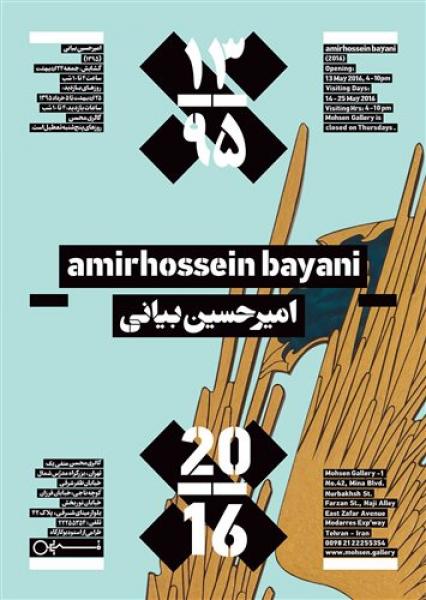
امیرحسین بیانی
Out of Context
The series deals with politics. Not politics of emancipation, but power politics. With an utterly critical approach, it is trying to confront the part of politics that is zeroing in on the entirety of human existence and is trying hard to annihilate it. It is as if we are facing the mere fact which directs all the ways towards economic globalization and art globalization. It goes without saying to considering this issue exhaustively in a single series is impossible. Thus, it is focusing on how the subject is colonized by the politics of power. It talks about the part in which the politics of power acts subtly with violence and with a fashionable appearance! , emptying the subjects of their substance, changing identities, perpetually attacking the organic unity of subjects, taking care of everything, repeatedly manipulating the reality, advertising it, and finally making them authentic so much so that any critical approach would be immediately accused of being reactionary and recessive: an intricate mechanism that owes its very existence to creating crisis.
Persian forms are pictures in tiny scales, with disorderly compositions, that generally make a unique, unified experience for the viewer. Commonly, they narrate a story that exists outside of them: they depend on a different context. They are very gentle and poetic, even when they narrate the most violent scenes; according to their different eras, they have their particular stylistic characteristics. The elements are generally idealized, they emphasize details, and they have their own perspective. We can go on talking and doing research about Persian images for years.
In this series, I have considered all the elements of Persian images, except their nature. In the first stage of using violence, I have cut out a piece out of them and have taken them out of their context. Then I have blown them up, much larger than their original size, which is to say I have aggrandized them, it is as if we are seeing microscopic images! It is as if they are being zoomed in. It is as if they are control samples. In the next stage, I realized that the aesthetic inside them is not enough, so I decided to bring in a new kind of aesthetic. I poured their surrounding nature, which was working properly as context for the figures' initial conditions, into them and I even gave them ideas! I even changed the material of technical approach and led the technical part to a direction that I wanted.
What we eventually see is only reminiscent of Persian painting, and they are even more seductive and apparently self-contained. But they are in fact new subjects emptied of their essence. Lost and bewildered, they live in white contexts on the walls to which they do not belong.
This show is aimed at capturing the essence of art in a paradoxical manner in order to establish a dialogue between the aesthetics of art and potential emancipation latent in politics and to admit standing within the circle of power while keeping possibilities for emancipation in perspective.
Amirhossein Bayani
رویداد های مرتبط
-
نمایشگاه نقاشی عمان مسقط 2023 ... (برگزار شده)

18 ارديبهشت 02 مسقط
-
نمایشگاه انزوایی که دوزخ را میبافد، برای تبرک هیولاها تهران... (برگزار شده)

27 ارديبهشت 98 تهران
-
نمایشگاه نقاشی خط اصفهان شهریور 97... (برگزار شده)

04 شهریور 97 اصفهان
-
نمایشگاه نقاشی اصفهان شهریور 97... (برگزار شده)

01 شهریور 97 اصفهان
-
نمایشگاه نقاشی معلولین هنرمند تهران تیر 97... (برگزار شده)
15 تیر 97 تهران
-
نمایشگاه نقاشی های مینا سبزی تهران تیر 97... (برگزار شده)

01 تیر 97 تهران
-
نمایشگاه اختصاصی نقاشی پرتره علیرضا روح بخش تهران تیر 97... (برگزار شده)

01 تیر 97 تهران
-
نمایشگاه نقاشی شکوفه سادات بستانی فرد تهران تیر 97... (برگزار شده)

01 تیر 97 تهران
-
نمایشگاه نقاشی های ندا شاه حسینی تهران خرداد 97... (برگزار شده)

25 خرداد 97 تهران
-
نمایشگاه نقاشیخط اسماعیل صادقی تهران خرداد 97... (برگزار شده)
25 خرداد 97 تهران
-
نمایشگاه نقاشی شهریار صمصام تهران خرداد 97... (برگزار شده)

24 خرداد 97 تهران
-
نمایشگاه نقاشی های نسیم ذوالفقار تهران خرداد 97... (برگزار شده)

04 خرداد 97 تهران
-
نمایشگاه نقاشی و ویدئو آرت حمید جعفری شکیب تهران اردیبهشت و ... (برگزار شده)

28 ارديبهشت 97 تهران
-
نمایشگاه نقاشی اکبر نیکان پور اصفهان اردیبهشت و خرداد 97... (برگزار شده)

21 ارديبهشت 97 اصفهان
-
نمایشگاه نقاشی های آبرنگ روی پارچه خسرو کریمی راد تهران اردی... (برگزار شده)

21 ارديبهشت 97 تهران

