


نمایشگاه در کوره راههای ابری
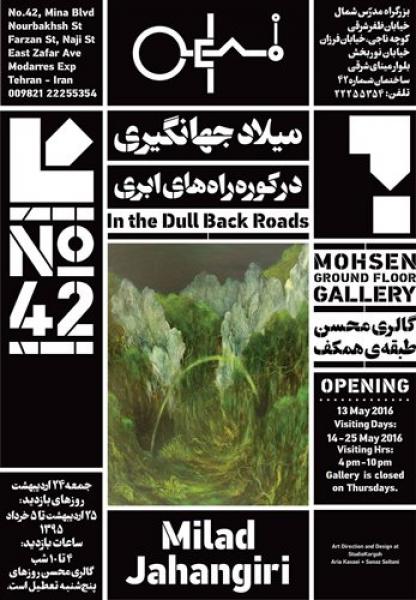
مدیا :نقاشی
در کوره راههای ابری
از ژان ژنه آموختم که هنر عرصهی پژوهش وتجربه مرارت است.
عرصهی هنر برای من، عرصهی پژوهش است که در آن با دور نگه داشتن خود از جریان اصلی هنر و شهرت و بازار، ریشههای بینش و نگاه خود را محکم مینمایم. بدین ترتیب مهمترین هدف این نمایش ایجاد امکان گفتوگو و به اشتراک گذاشتن ایدهها با مخاطبینم خواهد بود.
آثار ارائه شده در این نمایش، بخش دوم از سه گانهای با موضوع کلی طبیعت و متمرکز بر جریان رومانتیسیسم است. در مجموعه اول که اغلب در نمایشهای گروهی ارائه داده شد، بیشتر انرژی خود را صرف مطالعه آثار ویلیام ترنر و پیوند آن با مسائل اجتماعی و سیاسی روز کرده بودم.
در مجموعه حاضر، با مطالعهی آثار فردریش و مجموعهی طبیعتهای گرهارد ریشتر در جستوجوی پاسخی برای این سوال هستم که چه عنصری در طبیعت وجود دارد که از هنرمندی مهم در قرن نوزده تا یکی از مهمترین هنرمندان معاصر دنیا چنین مستقیم و بی واسطه به سراغ آن می روند؟ و اینکه جایگاه نگاه عموما از بالای فردریش تا نگاه هراسآلود و از پایین ریشتر در مواجهه با طبیعت چگونه متعین میشود و اختلاف پرسپکتیو نگاه در منظرهسازی غربی بر چه بنیانهایی استوار است؟ در نهایت اینکه وجود انسان در آثار فردریش و بالعکس آن در آثار ریشتر بر چه منطقی استوار است؟
بدیهیست که نزدیکی و خوانش این آثار تاثیرات گاها بیواسطهای بر کارهایم نهاده که سعی کردهام از طریق تجربه تکنیکی، خود را به تجربهی آنها نزدیک نمایم. چرا که معتقدم تنها راه پژوهش واقعی سهیم شدن در تجربه سوژهی مورد مطالعه است.
در نهایت با در آمیختن این نکات با ایدهی خودم این مجموعه را آماده نمایش کردم. ایده ی کلی به اختصار و شامل بررسی روابط زیبایی در تصویر و امکان تجربهی واقعی آن در زندگی روزمره بود و نگاهم به طبیعتی بود که هم بینهایت زیباست و هم بینهایت خشن. چیزی شبیه همین زندگیای که هر روز آن را نفس می کشیم. چیزی میان این و آن. چیزی بین بودن و امکان تجربهی نبودن...
در مجموعهی بعدی که آخرین بخش این سه گانه خواهد بود افقهای دیگری از طبیعت را در نظر دارم که با زندگی روزمره و فرهنگ در آمیخته خواهند بود.
میلاد جهانگیری
In the Dull Back Roads
I learned from Jean Rene that art is about experimenting and experiencing hardship. To me, art is all about the experiment in which I develop my insight through keeping myself out of mainstream art world, fame and art market. Therefore, the main purpose of this exhibition is to encourage a dialogue and to share my ideas with the viewers.
The exhibited works are part two of a trilogy emphasizing Romanticism with nature as the main subject. In the first part, mostly shown in group exhibitions, my main focus was on William Turner's work and its association with current social and political issues.
Studying Friedrich's works and Gerhard Richter's nature collections, I am looking for an explanation of what attribute the nature possesses which engages a broad spectrum of artists from an influential artist of the nineteenth century to one of the most important contemporary ones. And secondly, how Friedrich's high point of view and Richter's unsteady situation appear while encountering the nature and what are the fundamentals of different perspectives on western landscaping. And eventually, what is the logic behind the presence of human in Friedrich's work and, in contrast, the absence of him in Richter's?
It is obvious that the concept of those works has directly affected my paintings and I have tried to share their experience by applying the same technique. I believe the only way to experiment is sharing the experience of studying the subject.
Eventually, I integrated my idea into the concept and created this series. The main concept was to study aesthetics in the picture and experience it in everyday life. I was viewing nature from a perspective which was both extremely beautiful and extremely harsh; just like our everyday life, a mixture of experiences, to be and the possibility of not to be.
In the next series, which is the last part of this trilogy, I will take other perspectives of nature into consideration; the aspect which is integrated in daily life and culture.
Milad Jahangiri
رویداد های مرتبط
-
نمایشگاه نقاشی عمان مسقط 2023 ... (برگزار شده)

18 ارديبهشت 02 مسقط
-
نمایشگاه انزوایی که دوزخ را میبافد، برای تبرک هیولاها تهران... (برگزار شده)

27 ارديبهشت 98 تهران
-
نمایشگاه نقاشی خط اصفهان شهریور 97... (برگزار شده)

04 شهریور 97 اصفهان
-
نمایشگاه نقاشی اصفهان شهریور 97... (برگزار شده)

01 شهریور 97 اصفهان
-
نمایشگاه نقاشی معلولین هنرمند تهران تیر 97... (برگزار شده)
15 تیر 97 تهران
-
نمایشگاه نقاشی های مینا سبزی تهران تیر 97... (برگزار شده)

01 تیر 97 تهران
-
نمایشگاه اختصاصی نقاشی پرتره علیرضا روح بخش تهران تیر 97... (برگزار شده)

01 تیر 97 تهران
-
نمایشگاه نقاشی شکوفه سادات بستانی فرد تهران تیر 97... (برگزار شده)

01 تیر 97 تهران
-
نمایشگاه نقاشی های ندا شاه حسینی تهران خرداد 97... (برگزار شده)

25 خرداد 97 تهران
-
نمایشگاه نقاشیخط اسماعیل صادقی تهران خرداد 97... (برگزار شده)
25 خرداد 97 تهران
-
نمایشگاه نقاشی شهریار صمصام تهران خرداد 97... (برگزار شده)

24 خرداد 97 تهران
-
نمایشگاه نقاشی های نسیم ذوالفقار تهران خرداد 97... (برگزار شده)

04 خرداد 97 تهران
-
نمایشگاه نقاشی و ویدئو آرت حمید جعفری شکیب تهران اردیبهشت و ... (برگزار شده)

28 ارديبهشت 97 تهران
-
نمایشگاه نقاشی اکبر نیکان پور اصفهان اردیبهشت و خرداد 97... (برگزار شده)

21 ارديبهشت 97 اصفهان
-
نمایشگاه نقاشی های آبرنگ روی پارچه خسرو کریمی راد تهران اردی... (برگزار شده)

21 ارديبهشت 97 تهران

